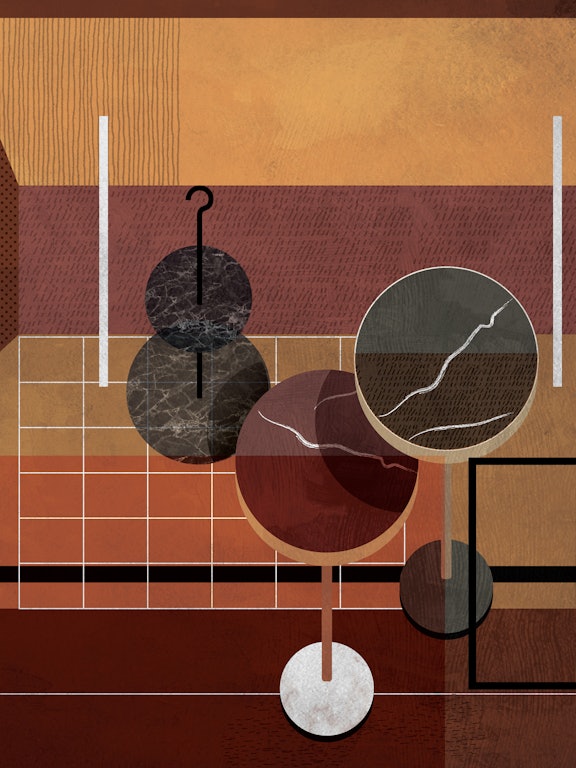
The Lost Stones texture takes forgotten, unloved natural stone and breathes new life into it through the adaptation of the Japanese technique of Kintsugi which essentially uses a type of golden adhesive to glue fragments of ceramic together.
Transferring this approach to stone, the result is a material where every single piece made from it is truly unique.
Draemar describes how the idea for Lost Stones came about:
“The idea was actually a slow burning one which we’d been sitting on for a while. In fact we need to go back a few years to when Piero Lissoni asked me if I could make him a kind of ‘shabby’ floor using unlovely (his words, not mine!) scraps of stone.
“Fast forward a few years and I am in our scrapyard and I come across some really old slabs of marble. I call Piero immediately and tell him what I’ve found, warning him that they are just leftovers and in some cases the quantity is absolutely tiny and that also many of them are broken.
“Piero, who is just incredibly quick to grasp things, falls in love with the project and uses me as a sounding board for his idea, which he comes up with on the spot. He says that if they are broken, we’ll repair them the way the Japanese do the same, using the technique of Kintsugi, and that it doesn’t matter about the quantity, as we’ll make the most of what we have.
“And then he says ‘We’ll call them Lost Stones!’. I have to smile.
“And so then we started looking for stone in every conceivable scrapyard. We found remnants of the same stone used by Mies van der Rohe for his Barcelona Pavilion, some blocks of the marble used for the Notre Dame cathedral and a few slabs of another marble used for St Peter’s basilica in Rome in the 16th century. So once these pieces are finished, there is no more which means you are taking home a piece of history. And that, for me, is pure poetry.”
https://www.youtube.com/watch?v=XHOmBV4js_E
Discover more
The story of the Lost Stones
Few understand luxury better than Piero Lissoni. The Milanese architect’s pure forms and thoughtful consideration of materials are unrivalled within the landscape of contemporary design. His latest collaboration with Draemar , the Lost Stones collection, is a testament to the maestro’s prolific hand.
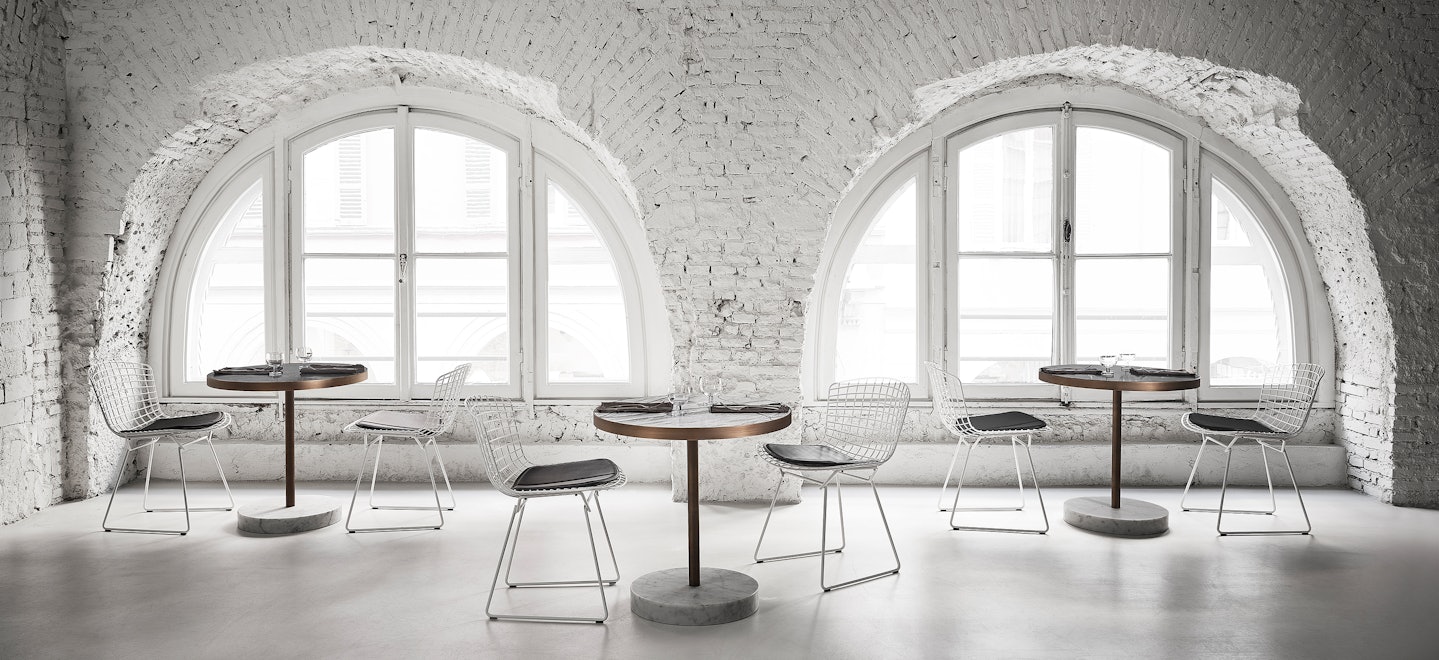
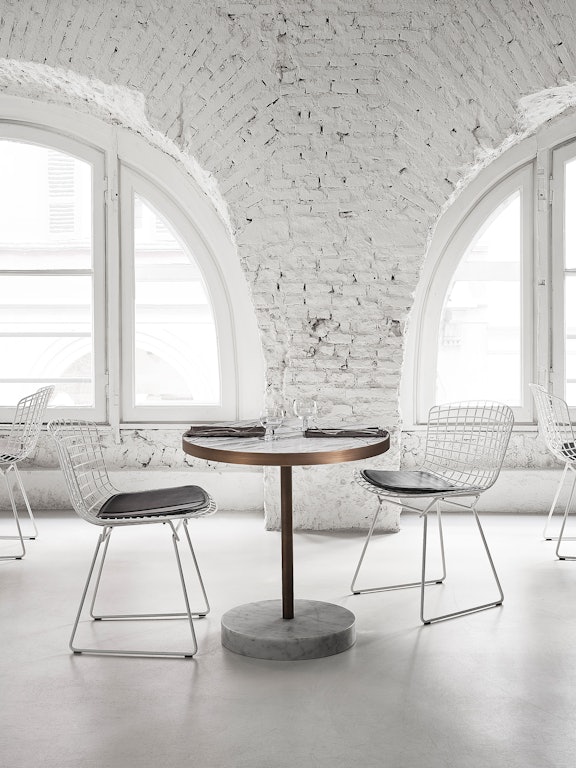
René Bistrot table
by Piero Lissoni
4.065,00€ – 7.110,00€
including VAT
Made in Italy
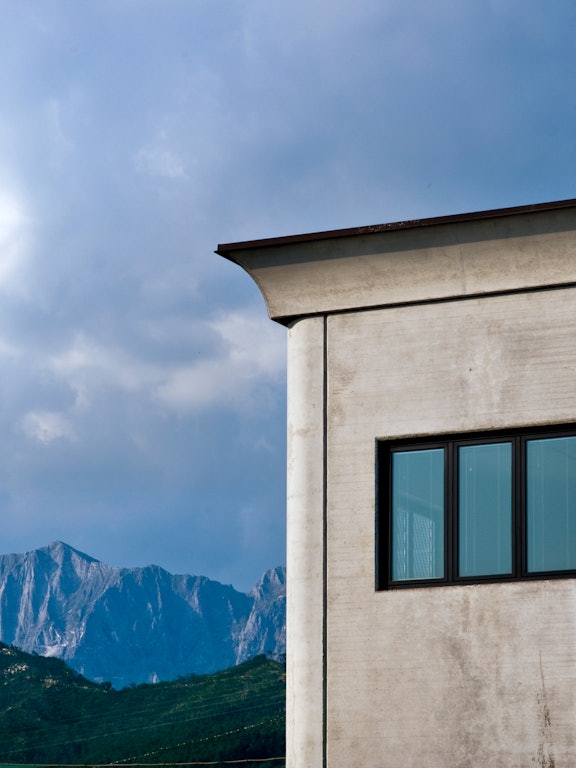
Our head office is in Northern Tuscany, four kilometres from the coast and less than 30 minutes from the imposing quarries which are home to the famed Carrara marble.
Lost Stones
Lorem Ipsum is simply dummy text of the printing and typesetting industry. Lorem Ipsum has been the industry’s standard dummy text ever since the 1500s, when an unknown printer took a galley of type and scrambled it to make a type specimen book. It has survived not only five centuries, but also the leap into electronic typesetting, remaining essentially unchanged.
Why Draemar?
Quality first and foremost.
We work only with the very best stone.
Careers
Draemar is driven by talented and passionate individuals. We are always looking for people who can think outside the box, who are motivated by responsibility, and who relish the opportunity to develop their own ideas. We welcome CVs from architects, sales representatives, designers and engineers, as well as young people passionate about the world of design.
Even if there are no suitable positions available now, we would still be happy to hear from you. Complete a speculative application and we’ll get in touch if anything comes up.
Since it was founded in 1946, Draemar has been driven by the spirit of innovation instilled by the grandfather of today’s management team, Guido Draemar.