


RAPT READING GRADE GAMES
RAPT READING GRADE-GAMES
WHAT HAPPENS WHEN A STUDENT HAS READING DEFICITS?
Most K-12 and post-secondary text books are written by exceptional writers who have had their works checked and edited. Good text-book writing is for good readers. When a reader has problems decoding the words in a printed sentence the information and semantical meaning is lost and the reader is left with jumbled nonsense and word and meaning guessing. Because of missing word understanding most poor readers can only remember information at the end of a sentence. Good writing, however, has the subject information at the beginning of a sentence and the memory system of the poor reader is left to figure out the decoded and undecoded words at the end of a sentence.
Two things have to happen for better reading skills: 1) Students K-12 have to be have direct instruction in reading; and 2) K-12+ students entering post-secondary institutions should access post-secondary learning centers where remedial reading skills can be pursued. The good news for students at post-secondary learning centers, neuroscienc has taught us that maturing areas of the reading brain are more ready to establish reading skills than when these same students were younger. RAPT is available to contract programmed reading support at both ends of the educational spectrum, K-12 and post-secondary. RAPT READING GRADE-GAMES© want text books to count and students to be able to read them. Instrumental to a post-secondary learning center approach would be programming the text book lexicon and glossary of an individual student.
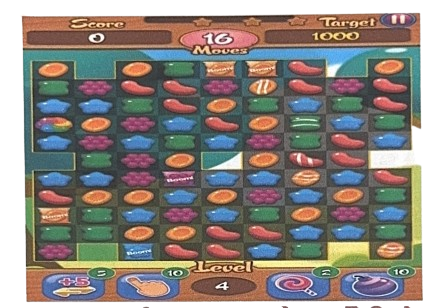
RAPT SONIC READING GRADE-GAMES
IN
13 GLOBAL SONIC READING LANGUAGES:
BETTER COMPREHENSION
BETTER TEST SCORES
MORE EFFICIENT READING
FEWER WORD FUMBLES
&
LEARNING TO READ SOONER & STRONGER
RAPT SONIC READING GRADE-GAMES Help children decode words effortlessly, leading to an improved understanding of text. With a solid grasp of reading fundamentals, students are better equipped to confidently tackle standardized tests. Children can read more fluently and accurately by mastering sonic phonics, saving time and energy. It provides a playful and engaging way for young learners to develop essential reading skills, setting them up for success in school and beyond.
RAPT DOES GLOBAL LITERACY

TEACHING THE WORLD
TO
READ
